

Art of Investing
Understand the factors that influence the value of fine art and how to make informed
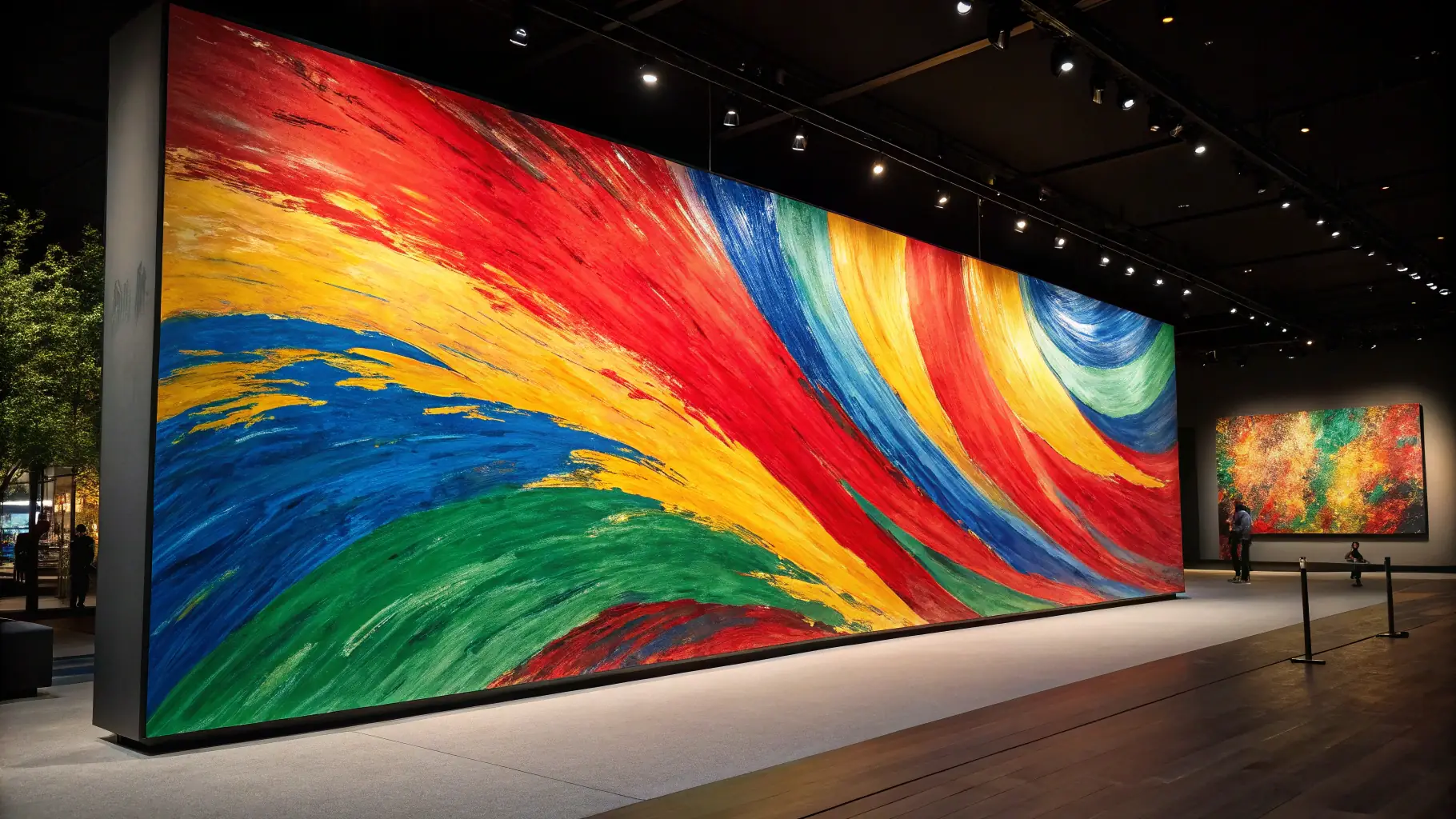
Abstract art, with its departure from representational accuracy, invites viewers into a realm of subjective interpretation. It encourages a personal connection, allowing individuals to find meaning and emotion within the colors, shapes, and textures. This freedom of interpretation is a key element of its enduring appeal, fostering a sense of discovery and engagement. Abstract art challenges our perceptions and encourages us to look beyond the surface, delving into the deeper layers of human experience.
The history of abstract art is rich with innovation and rebellion against traditional artistic norms. From the early pioneers like Wassily Kandinsky and Piet Mondrian to the later movements of Abstract Expressionism and Minimalism, artists have continuously pushed the boundaries of what art can be. This constant evolution keeps abstract art fresh and relevant, attracting new generations of artists and art enthusiasts. The ongoing exploration of form, color, and composition ensures that abstract art remains a dynamic and influential force in the art world.
For collectors, abstract art offers a unique opportunity to acquire pieces that are both visually striking and intellectually stimulating. Each artwork tells a story, not through literal representation, but through the artist’s unique vision and technique. Owning an abstract piece is like possessing a window into the artist’s soul, a tangible expression of their inner world. The ambiguity inherent in abstract art also allows collectors to continually discover new aspects of the work, ensuring that it remains a source of inspiration and contemplation for years to come.
Understand the factors that influence the value of fine art and how to make informed

Learn essential tips and strategies for building a fine art collection that reflects your personal
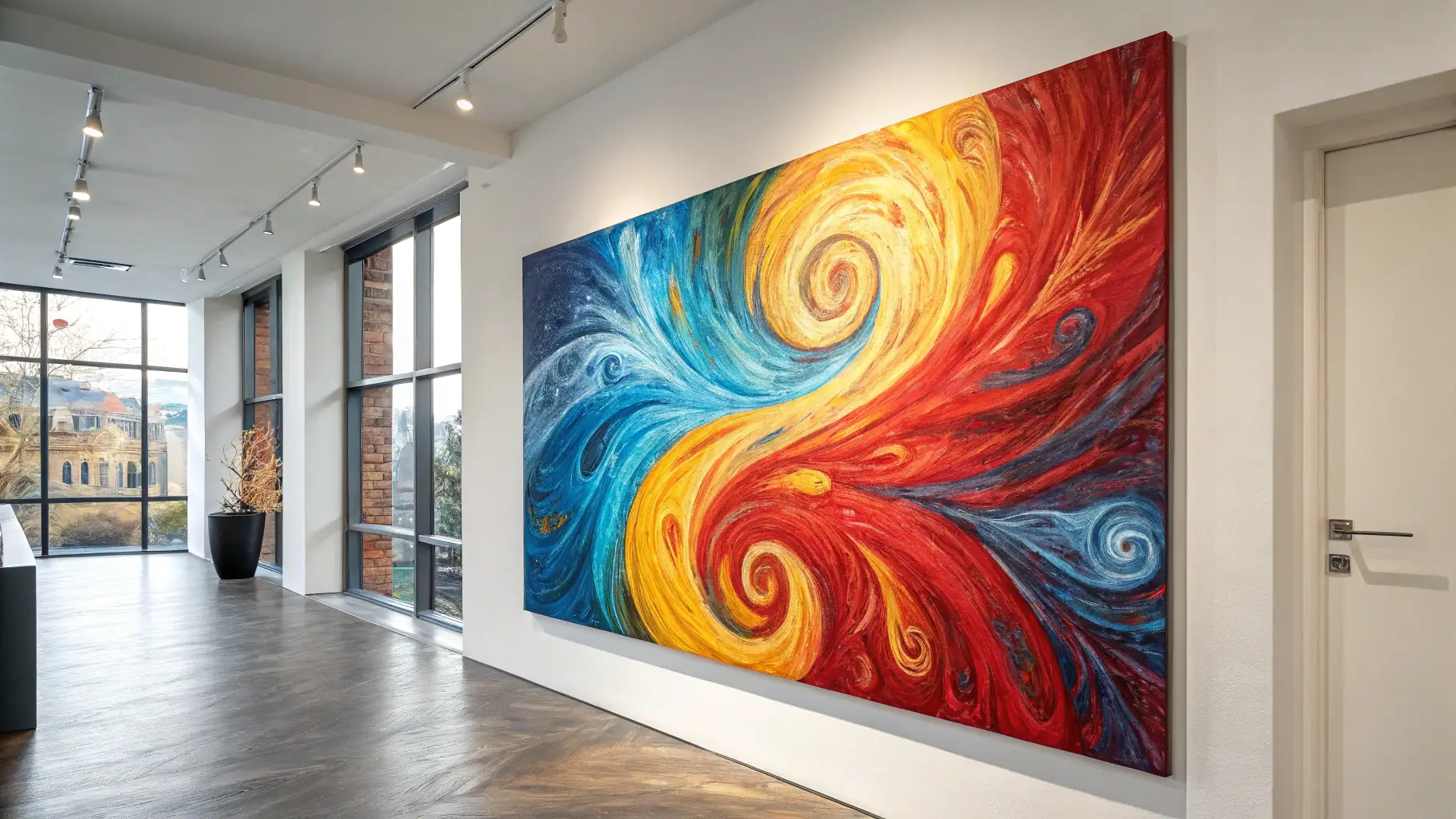
Explore why abstract art continues to captivate and challenge viewers in the modern era.